
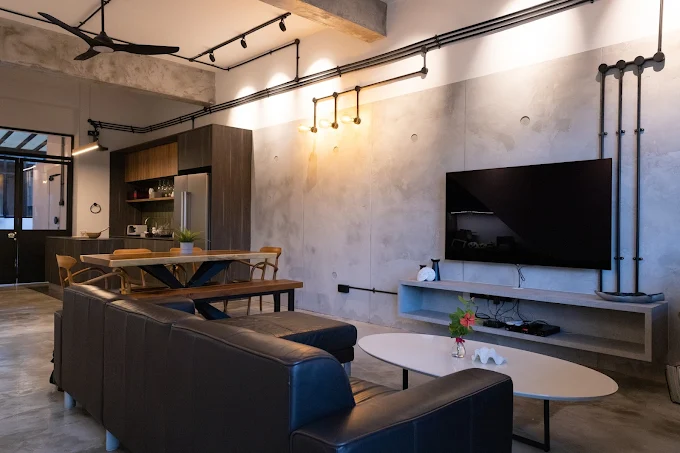
The most common renovation mistakes in Singapore are skipping a proper design plan, underestimating the budget, hiring a contractor based on price alone, ignoring HDB permits and structural rules, poor space and storage planning, and forgetting about ventilation in our humid climate. Avoiding these keeps your renovation on time, on budget, and stress-free.
Renovating your home is exciting, but it’s also one of the biggest investments most homeowners in Singapore will make. Between HDB rules, tight timelines, and countless material choices, it’s easy for small oversights to turn into expensive regrets. This is especially true for first-time renovation mistakes, since new homeowners often don’t yet know which decisions are cheap to fix and which ones are permanent. In this guide, we’ll walk you through the most common renovation mistakes Singapore homeowners make, along with practical tips to avoid them entirely.
It’s easy to budget for visible items like flooring and paint, and forget the hidden costs: electrical rewiring, waterproofing, permit fees, and unexpected structural work. When these surface mid-renovation, they can derail the entire project and turn into one of the most stressful budget renovation mistakes homeowners face.
This is one of the areas where HDB and condo renovation mistakes in Singapore overlap most, since both property types carry hidden costs that rarely show up in an initial rough estimate. Knowing this up front helps you negotiate a realistic, itemised quote rather than a rough estimate.
Expert Tip: Set aside 15–20% of your total budget as a contingency fund from day one. Ask for a clear, itemised quote upfront so hidden costs are accounted for before work begins.
The cheapest quote often means cut corners: substandard materials, rushed timelines, or a team without proper certifications. Poor workmanship shows up later, usually somewhere expensive to fix, like tiling or wet areas, making this one of the home renovation mistakes to avoid at all costs.
A lower quote can look appealing when you’re trying to stretch a budget, but it rarely accounts for accreditation, proper insurance, or a proven track record of projects. Homeowners who skip this check are often the ones left chasing a contractor for defects months later.
Expert Tip: Compare portfolios, reviews, and past projects instead of just the price tag. A firm’s track record tells you far more about the finished result than the quote ever will.
Focusing solely on how a space will look while ignoring load-bearing walls, electrical capacity, plumbing, and ventilation is one of the riskiest interior design mistakes to avoid. In HDB flats especially, structural changes and hacking work require proper permits under HDB’s renovation guidelines, and skipping this step can lead to fines or a forced reinstatement order.
Condo units come with their own version of this problem too, since Management Corporation Strata Titles (MCSTs) govern renovation approvals under the Building Maintenance and Strata Management Act, and often have their own by-laws for hacking or plumbing changes.
Either way, checking approvals before work starts is far cheaper than fixing issues afterwards, which is why our HDB and condo renovation services always ensure all required approvals are confirmed before any work begins.
Expert Tip: Always confirm in writing whether a wall is load-bearing and whether the required approvals are in place before any hacking work starts. A professional design-and-build team checks this before work begins, not after.
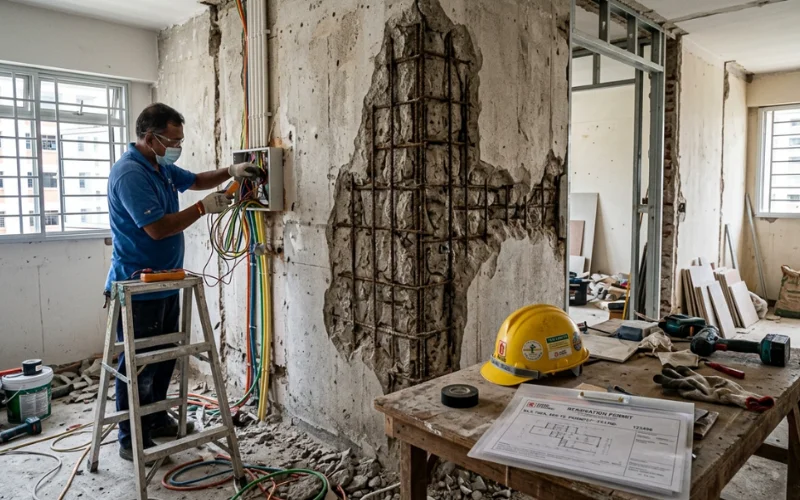
A beautiful design can still feel impractical if it doesn’t account for daily life. Blocked natural light, missing storage, and awkward furniture placement are common complaints homeowners raise only after moving in, when it’s much harder to fix.
This is where many interior design mistakes actually come from: choosing a layout for how it photographs rather than how it will be lived in. Singapore’s smaller HDB and condo footprints make this planning stage even more important, since every square foot needs to earn its place.
Expert Tip: Plan storage early using built-ins, platform beds, or hidden compartments, not as an afterthought. Walk through your daily routine before finalising the layout to catch practicality issues early.
Saving money on materials upfront often costs more later, through cracked tiles, warped cabinets, moisture damage, or finishes that fade within a year or two. Singapore’s humidity makes this worse, especially for wet areas like kitchens and bathrooms.
This mistake is common among first-time renovation mistakes because lower-grade materials can look identical to higher-grade ones in a showroom. The difference only becomes obvious after a year or two of daily wear and Singapore’s tropical climate.
Expert Tip: Choose durable, climate-appropriate materials for high-use and wet areas. Spending a little more here saves you from renovating the same space again in a few years.
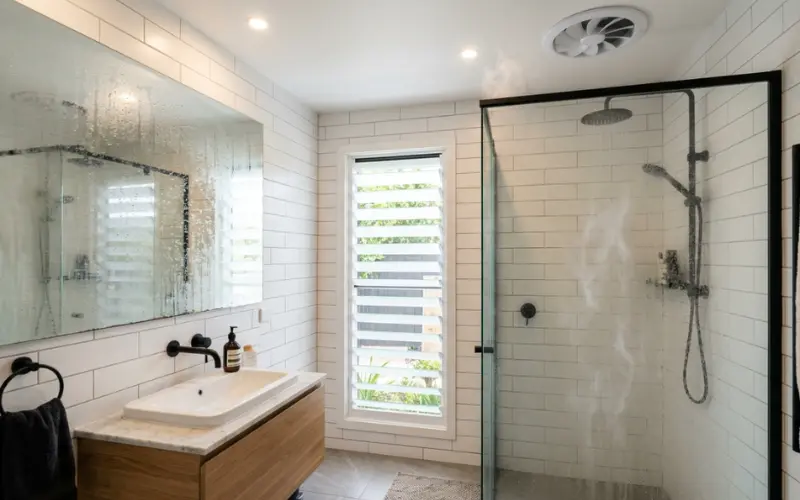
Given Singapore’s humid weather, poor ventilation quietly causes mould, musty smells, and long-term damage to cabinetry, especially in enclosed bathrooms and kitchens. This is one of the most overlooked mistakes because it doesn’t show up until months after move-in.
It’s also one of the things to avoid during renovation that’s easiest to fix while walls are still open, and hardest to fix once everything is sealed up and finished. A short conversation with your designer about airflow at the planning stage prevents a much bigger headache later.
Expert Tip: Install proper exhaust systems and plan airflow in bathrooms and kitchens from the start. It’s far cheaper to design for ventilation upfront than to retrofit it later.
Nothing is more frustrating than realizing there’s no socket near your bed, work desk, or kitchen counter after the walls are already closed up. Moving a single point after renovation means cutting into finished walls all over again.
This is a classic example of a renovation mistake that Singapore homeowners only notice once they’ve actually moved in and started using the space. Thinking through your daily habits, not just the drawing, before electrical points are chased into the walls makes all the difference.
Expert Tip: Plan more electrical outlets than you think you’ll need, placed based on how you actually live. Decide this while the walls are still open, since moving a point later means cutting them open again.
Renovation takes time, and trying to compress it usually means skipped quality checks and rushed workmanship. Problems that would have been caught with a proper inspection often only surface after you’ve moved in.
This is one of the common renovation mistakes that stem from excitement rather than carelessness; homeowners simply want to move in faster. But a rushed project almost always ends up costing more in rework than the time it saved.
Expert Tip: Set a realistic timeline with built-in buffer time for delays. A renovation done at the right pace almost always costs less than one that needs rework later.
A design can look perfect on paper and still feel wrong once it’s built, often due to a communication gap between what the homeowner wanted and what the contractor understood. This is one of the most common causes of renovation regret.
Clear, documented communication is one of the simplest renovation tips Singapore homeowners can follow, yet it’s often the first thing skipped once a project is underway, and everyone assumes the other side understands the plan.
Expert Tip: Insist on regular updates and clear documentation of every decision made. It’s one of the reasons Brickwood Studio keeps clients closely involved at every stage, from concept to handover.
If you’d rather skip the guesswork entirely, book a free consultation with Brickwood Studio and learn how we help homeowners create beautiful, functional spaces without the common renovation pitfalls.
Most renovation regrets in Singapore come down to the same handful of avoidable mistakes: skipping the planning stage, underestimating costs, choosing contractors on price alone, and overlooking things like ventilation, storage, and electrical planning that only become obvious after move-in. Whether you’re renovating an HDB flat or a condo, these home renovation mistakes to avoid are almost always preventable with the right guidance from the start. If you’re planning a renovation and want it done right the first time, book a consultation with Brickwood Studio and browse our renovation services to see how our team can walk you through the process from initial design to final handover.
No, most hacking, electrical, and plumbing work in HDB flats requires approval, and skipping this can lead to fines or a reinstatement order.
Yes, poor ventilation combined with local humidity can cause mould and damage to cabinetry over time, especially in kitchens and bathrooms.
No, the lowest quote often means compromises on materials or workmanship that cost more to fix later.
Stay updated with the latest interior design insights and trends. Receive expert tips directly to your inbox.